Plato Math

Considering Kumon?

Plato Math is a repetition-based math program for families who want the structure of Kumon without paying for a physical learning center.

Now welcoming families in Arizona.
Attribute Kumon Plato Math
Monthly cost $150–$160/month for math in Arizona + enrollment fees Free
Where learning happens Center 1-2×/week, home the other days 100% at home
Driving / appointments Regular center attendance None
Getting started Assessment + enrollment through a center Take placement and start from home
Commitment Ongoing paid enrollment No contract. No payment. Stop anytime.
Parent visibility Progress reviewed with instructor / center director Detailed stats + progress reports anytime
What comes next Instructor reviews progress and adjusts assignments Work adjusts automatically based on performance

We aim for fluency.

Getting the answer right once isn't enough.

We want skills to become accurate, efficient, and automatic.

Plato Math tracks how accurately and how quickly your child performs on each skill. We bring skills back when they need more practice. We persist until a skill becomes fluent.

Skills & Mastery Domain Accuracy Pace Status
Single-Digit Facts to 10 Addition 99% 3.1s Mastered
2-Digit Addition with Regrouping Addition 91% 10.4s Developing
Subtraction Across 10 Subtraction 96% 3.0s Mastered
3-Digit Subtraction with Borrowing Subtraction 74% 20.6s Needs Attention
Multiplication Facts (1–9) Multiplication 94% 7.5s Strong
2-Digit by 1-Digit with Regrouping Multiplication 82% 9.8s Review
Division with Remainders Division 88% 3.5s Developing
View all skills & curriculum

Accuracy. We track whether your child can consistently solve each skill correctly.

Efficiency. We measure how quickly they work, not just whether they eventually reach the right answer.

Mastery. Skills that are not yet fluent return in future practice until they become reliable and automatic.

Your child does the math. We handle the planning.

We find where to begin.

Plato runs a short placement to identify your child's starting level so that practice is challenging but never overwhelming.


No guessing which part of the curriculum is best for your child.

Today's work, already planned.

Plato chooses the right balance of new material and review based on your child's performance and the amount of time you've chosen.


Just print the work, have your child complete it, and submit their results. We'll plan what comes next.

Every session shapes what comes next.

After you submit results, Plato recalibrates, adding review where accuracy slipped, and advancing when skills are solid.


The plan updates automatically. You never have to decide what to assign tomorrow.

UP NEXT New Practice 2-Digit Addition with Regrouping · NEW
REVIEW Skill Review Subtraction Across 10
MASTERY Fluency Practice Single-Digit Facts to 10
Right Level Placement finds where to begin.
Right Amount Built around your daily time.
Right Practice Adapts after every session.
Why Can't I Just Use Free Worksheets?

Finding worksheets is easy. Knowing what comes next isn't.

Free worksheets give your child problems to solve. Plato decides what they should practice, what needs review, and when they're ready to move forward.

  • Choose the right work. With free worksheets, you have to decide what your child should practice today.
  • Remember what needs review. You have to keep track of past weaknesses and decide when they should come back.
  • Know when to move forward. You have to judge whether your child has practiced enough or actually mastered the skill.
Today · 15 minutes Planned by Plato
01 2-Digit Addition with Regrouping New
02 Subtraction Across 10 Review
03 Single-Digit Addition Facts Fluency
Based on placement, recent performance, and skills due for review.

Every day's practice builds on what your child is ready for next.

Curriculum

From early addition to algrebra.

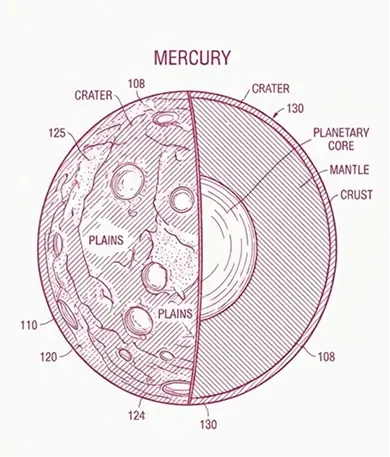
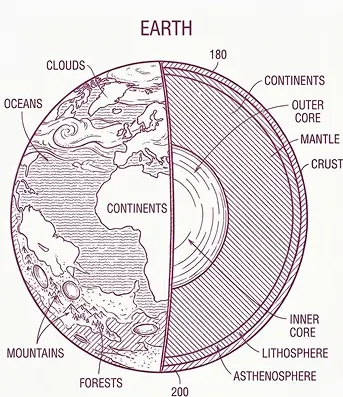
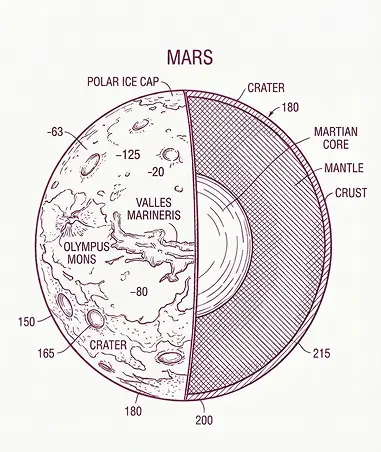
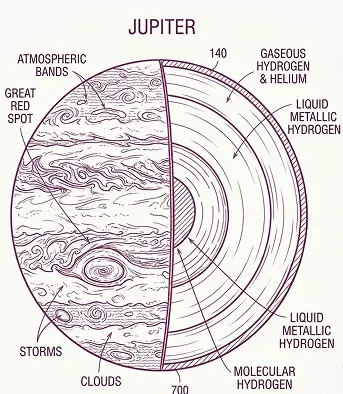
Plato Math is organized into eight levels (Mercury through Neptune) that build on one another. Placement finds where your child should start, so they only work on material appropriate for their current ability. The full curriculum covers the same arithmetic progression as Kumon Level 3A through Level F.

Mercury

Beginning Addition

Key skills:

  • Count-on addition with +1 through +5 (9 + 4, then 12 + 3)
  • Single-digit sums until the answer is instant, not guessed
  • The number sense that makes carrying in two-digit addition click
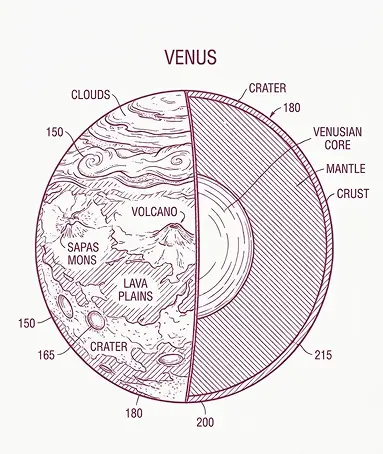
Venus

Intermediate Addition & Beginning Subtraction

Key skills:

  • Harder complements: 8 + 9, 17 + 6, and the rest of +6 through +10
  • Subtract 1–10 from any number (15 − 7, 23 − 9)
  • Two-digit subtraction with no trading, then mixed +/− for stamina
Earth

Two-Digit Numbers

Key skills:

  • Carry and borrow in the same week: 47 + 38 and 62 − 27
  • Keep tens and ones lined up when problems get longer
  • Alternate addition and subtraction so neither skill gets rusty
Mars

Advanced Arithmetic

Key skills:

  • Three- and four-digit addition and subtraction, not just two digits
  • Multiple carries or borrows in one line, the kind that shows up on tests
  • Deep fluency with big numbers before multiplication enters the picture
Jupiter

Multiplication & Division

Key skills:

  • Times tables through 9×9, then 23 × 4 and other 2-digit × 1-digit products
  • Division with remainders before the long-division algorithm kicks in
  • Long division with 3-digit dividends (e.g., 156 ÷ 4)
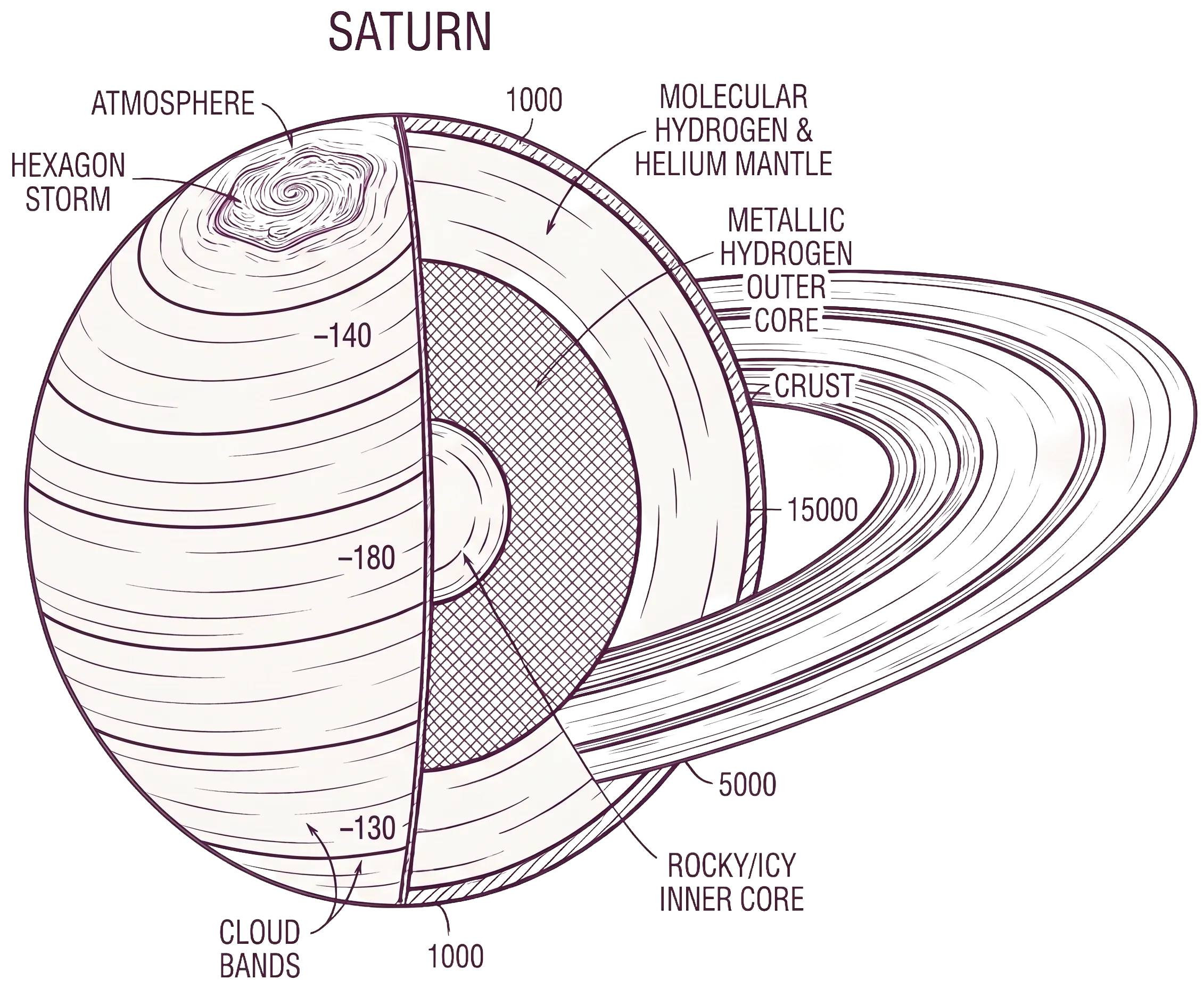
Saturn

Fractions & Advanced Skills

Key skills:

  • Two-digit × two-digit multiplication (79 × 56)
  • Long division when the divisor has two digits (386 ÷ 28)
  • Fractions in lowest terms, mixed numbers, and greatest common factor
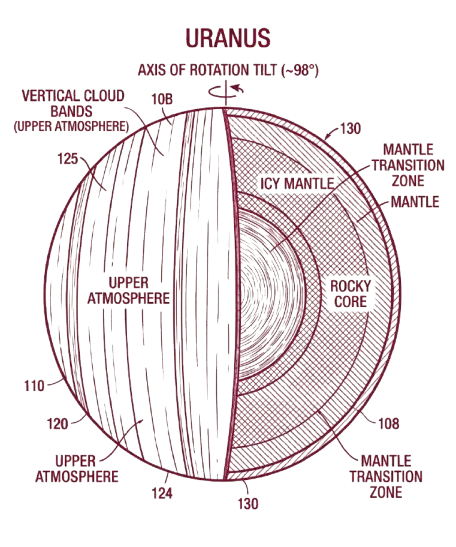
Uranus

Fraction Operations

Key skills:

  • Add and subtract unlike fractions and mixed numbers (2/3 + 1 1/4)
  • Multiply and divide fractions, including “how much is 2/3 of 12?”
  • Move cleanly between fractions, decimals, and percents
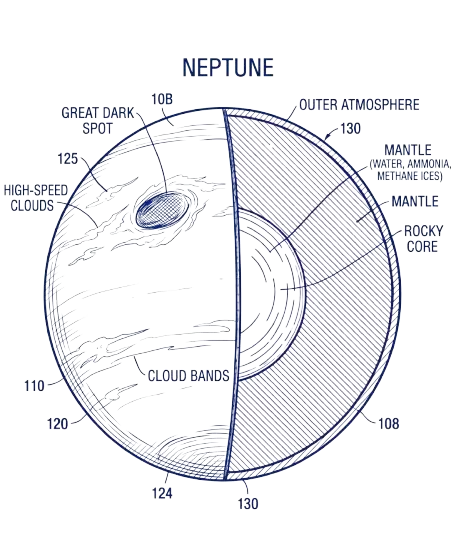
Neptune

Order of Operations & Decimals

Key skills:

  • Order of operations with parentheses and nested work (PEMDAS in practice)
  • Introduction to algebra
  • Decimal multiplication, division, and long division with decimal divisors

Your child doesn't start at Mercury by default. Placement finds the right starting point.

The complete path runs Mercury through Neptune, the same span as Kumon Level 3A through Level F.

Reach out to us!

Plato Math is designed to give children structured, accelerated math practice they can do entirely from home.

Right now, we personally help each new family get started. Reach out to us directly at support@platomath.com and our team will help with placement, setup, and getting your child's first plan underway.

Frequently asked questions.

Everything families usually want to know before getting started with Plato Math.

Who is Plato Math for?

Plato Math is for families who want structured, daily arithmetic practice at home, typically for children ages 3–12 working from early addition through order of operations and decimals (Kumon Level 3A through Level F). Parents print the day's work (or complete it digitally), and Plato plans what comes next.

Do I need a printer?

No. Although Plato Math is built around printable worksheets that your child completes on paper, your child can still complete their work digitally.

Does my child need to use a computer while doing the worksheets?

No. We encourage your child to complete their work on paper, but they can also complete their work digitally. You use Plato Math to get the day's work and submit the results afterward.

How much work will my child get each day?

You choose how much time you want your child to spend on math each day, and Plato plans the workload around that preference.

What if we miss a day?

That's fine. Plato keeps track of your child's work and adjusts the plan when you return.

What if the placement puts my child at the wrong level?

Contact support@platomath.com and we'll help adjust your child's starting point.

How involved do I need to be as a parent?

Your main job is to print the assigned work and submit the results when your child finishes. Plato handles what to assign, what to review, and when to move forward.

How does Plato Math compare to Kumon?

Both emphasize daily repetition until skills become automatic. Plato Math delivers that structure at home: placement finds the right starting point, and the daily plan adapts from your child's results. Our eight-level curriculum (Mercury through Neptune) covers roughly the same arithmetic progression as Kumon Level 3A through Level F.

How does Plato Math use my child's information?

Plato Math accounts are designed to be created and managed by parents or other authorized adults. We use information you provide about your child, such as their first name, age or grade, placement results, worksheet answers, scores, completion history, timing information, and skill progress, to personalize their math program and show you their progress.

We also collect limited technical and usage information needed to operate, secure, analyze, and improve Plato Math. We do not sell personal information.

See our Privacy Policy for more information or contact support@platomath.com.

See where your child should start.

Take our free placement and find the right starting point for your child in just a few minutes.

No account needed to start.